Buy spiritual-coaching.eu ?
We are moving the project
spiritual-coaching.eu .
Are you interested in purchasing the domain
spiritual-coaching.eu ?
domain@kv-gmbh.de · 0541-91531010
Buy spiritual-coaching.eu ?
What are demonstrative pronouns and relative pronouns?
Demonstrative pronouns are pronouns that are used to point to specific things or people. Examples of demonstrative pronouns include "this," "that," "these," and "those." Relative pronouns are pronouns that introduce dependent clauses and connect them to independent clauses. Examples of relative pronouns include "who," "whom," "whose," "which," and "that." **
Why are demonstrative pronouns called demonstrative pronouns?
Demonstrative pronouns are called demonstrative because they demonstrate or point to a specific noun or pronoun in a sentence. They help to indicate the position or location of the noun or pronoun in relation to the speaker or listener. By using demonstrative pronouns such as "this," "that," "these," and "those," speakers can make their communication more precise and clear by specifying which person, place, thing, or idea they are referring to. **

Similar search terms for Pronouns
Top-Angebote
Products related to Pronouns:
-
Multisell Products Hub Saint Benedict Bracelet Spiritual Protection Stainless Steel Faith Amulet Jewelry goldCarry a symbol of strength, faith, and protection wherever you go. This Saint Benedict bracelet is more than jewelry it is a daily reminder of spiritual grounding and inner peace. Designed for those who value faithdriven accessories, this spiritual...34,97 $*Shipping: 0,00 $Secure redirect to the provider
-
Inspired Deals Natural Amethyst Bracelet Crystal Healing Stretch Purple Gemstone Bracelet For Meditation And Mindfulness Natural Amethyst Bracelet Crystal Healing Stretch Purple Gemstone Bracelet For Meditation And MindfulnessExperience a sense of calm while adding timeless beauty to your everyday style with this Amethyst Bracelet. Designed for anyone who values meaningful jewelry, this elegant stretch bracelet features genuine purple gemstone beads that pair...32,97 $*Shipping: 0,00 $Secure redirect to the provider
-
Uplifted Finds The Control Circle Archetype Social Worker Empowerment Canvas Executive Office & Wellness Sanctuary Decor 13 X 18 Cm No Frame"Inaugurate a grounding ""MindfulnessSanctuary"" energy in your environment with our ""Control Circle"" Archetype Canvas. This premium Social Worker and Mental Health professional print is the ultimate designer solution for creating a ""ClinicalModern"" or..."41,97 $*Shipping: 0,00 $Secure redirect to the provider
-
Yellow Kite 10% Happier 10th Anniversary Book by Dan Harris – True Story of Mindfulness, Stress Relief & Self-Help TransformationAfter having a nationally televised panic attack on Good Morning America, Dan Harris knew he had to make some changes. A lifelong nonbeliever, he found himself on a bizarre adventure involving a disgraced pastor, a mysterious self-help guru, and a gaggle of brain scientists. Eventually, Harris realized that the source of his problems was the very thing he always thought was his greatest asset: the incessant, insatiable voice in his head. We all have an inner narrator. It's what has us losing our temper unnecessarily, checking our email compulsively, eating when we're not hungry, and fixating on the past and the future at the expense of the present. Most of us assume we're stuck with this voice - that there's nothing we can do to rein it in - but Harris stumbled upon an effective way to do just that. 10% Happier is now considered a classic text on the power of meditation, an introduction to the practice that can convert even the most hardened sceptic. With over a million copies sold, 10% Happier is the go-to guide, and with meditation now a widely accepted and encouraged practice, Dan Harris is a pivotal and approachable figure in the field who has built a thriving platform based on the ideas he first presented in this book. In this 10th Anniversary Edition, Harris offers a new preface reflecting on how much has changed - for him and for the public perceptions of meditation, plus a revised and expanded appendix, filled with guided meditations and practical advice for people looking to boot up a habit.9,99 £*Shipping: 2,99 £Secure redirect to the provider


-
What is the connection between gender and pronouns?
Gender and pronouns are connected because pronouns are used to refer to individuals based on their gender identity. In many languages, including English, pronouns such as "he," "she," and "they" are used to indicate the gender of the person being referred to. However, it is important to note that not everyone identifies with the gender traditionally associated with the pronouns assigned to them at birth, leading to the use of gender-neutral pronouns like "they/them" for individuals who do not conform to the binary gender system. Overall, pronouns play a crucial role in respecting and affirming an individual's gender identity. **
-
With which pronouns do many people confuse reflexive pronouns?
Many people confuse reflexive pronouns with personal pronouns. For example, they may use "myself" or "yourself" instead of "me" or "you" in a sentence. This confusion often occurs when people are trying to emphasize the subject of the sentence, but they mistakenly use a reflexive pronoun instead of a personal pronoun. It's important to understand the difference between reflexive and personal pronouns in order to use them correctly in sentences. **
-
What are pronouns?
Pronouns are words that are used in place of nouns to avoid repetition in a sentence. They can refer to people, places, things, or ideas. Pronouns help make sentences clearer and more concise by replacing specific nouns with general words like "he," "she," "it," "they," and "we." Using pronouns also helps to maintain the flow of writing and make it more engaging for the reader. **
-
Can you help me with personal pronouns and possessive pronouns?
Certainly! Personal pronouns are used to replace nouns in a sentence, such as "I", "you", "he", "she", "it", "we", and "they". Possessive pronouns show ownership or possession, such as "mine", "yours", "his", "hers", "ours", and "theirs". If you need help understanding how to use these pronouns in a sentence or identifying which pronoun to use in a specific context, feel free to ask for more guidance. **


What is the difference between relative pronouns and interrogative pronouns?
Relative pronouns are used to connect a dependent clause to an independent clause, providing more information about a noun in the independent clause. They include words like "who," "which," and "that." Interrogative pronouns, on the other hand, are used to ask questions and gather information. They include words like "who," "what," "which," "whom," and "whose." The main difference between the two is their function in a sentence - relative pronouns connect clauses, while interrogative pronouns are used to ask questions. **
Which pronouns do many people often confuse with reflexive pronouns?
Many people often confuse reflexive pronouns with intensive pronouns. Intensive pronouns are used to emphasize a preceding noun or pronoun, while reflexive pronouns are used when the subject and object of a sentence are the same. For example, "I myself will do it" uses an intensive pronoun, while "I hurt myself" uses a reflexive pronoun. It is important to understand the distinction between these two types of pronouns to use them correctly in sentences. **
Top-Angebote
Products related to Pronouns:
-
Perfect Picks Market St. Michael The Archangel Catholic Patron Saint Pendant Necklace Spiritual Protection & Faith St. Michael The Archangel Catholic Patron Saint Pendant Necklace Spiritual Protection & FaithCelebrate your faith with the St. Michael The Archangel Pendant Necklace. This beautifully crafted Catholic patron saint pendant represents the strength and protection of St. Michael. Made with highquality acrylic, it serves as a powerful symbol of...29,97 $*Shipping: 0,00 $Secure redirect to the provider
-
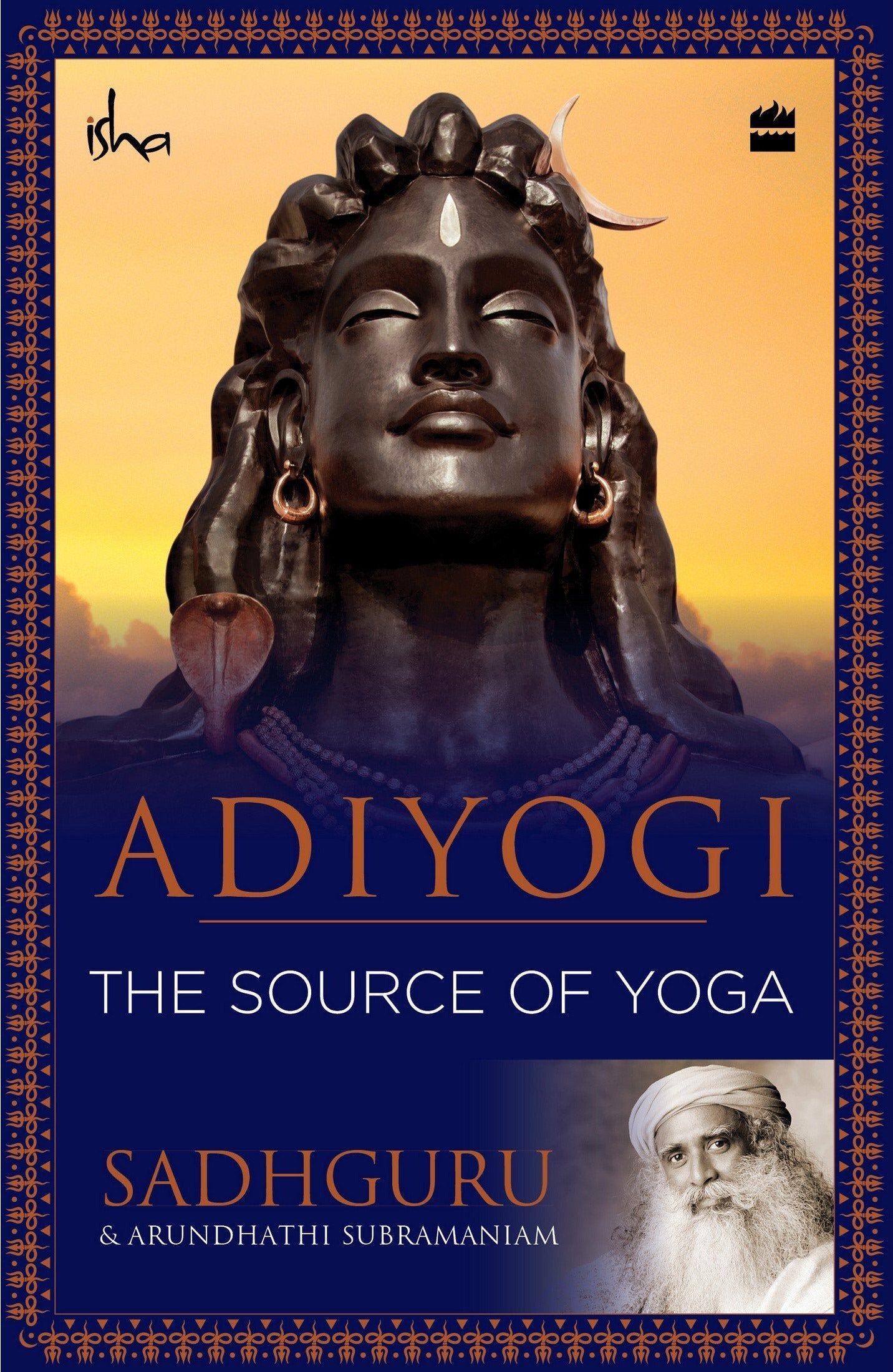
HARPERCOLLINS Adiyogi: The Source of Yoga – Sadhguru Spiritual Wisdom, Yoga Philosophy & Inner TransformationExplore the origins of yoga and the science of inner transformation with Adiyogi: The Source of Yoga by Sadhguru. In this illuminating work, Sadhguru presents the story and symbolism of Adiyogi — the first yogi, who laid the foundations of yogic science thousands of years ago. Blending ancient wisdom with modern clarity, the book explains how yoga is not merely physical exercise but a profound technology for inner balance, awareness, and spiritual evolution. Through engaging storytelling, philosophical insight, and practical reflection, readers are introduced to the deeper dimensions of yoga — including mind, body, energy, and consciousness. Accessible to beginners and experienced practitioners alike, this book serves as both inspiration and guide for anyone seeking inner wellbeing and clarity. Why Readers Love This Book: Explores the true origins and philosophy of yoga Written in an accessible, engaging style Bridges ancient yogic wisdom with modern life Encourages personal growth and self-awareness Ideal for spiritual seekers and yoga enthusiasts A thoughtful introduction to yogic science, Adiyogi: The Source of Yoga invites readers to experience yoga as a path toward inner transformation.4,99 £*Shipping: 1,99 £Secure redirect to the provider
-
Multisell Products Hub Saint Benedict Bracelet Spiritual Protection Stainless Steel Faith Amulet Jewelry goldCarry a symbol of strength, faith, and protection wherever you go. This Saint Benedict bracelet is more than jewelry it is a daily reminder of spiritual grounding and inner peace. Designed for those who value faithdriven accessories, this spiritual...34,97 $*Shipping: 0,00 $Secure redirect to the provider
-
Inspired Deals Natural Amethyst Bracelet Crystal Healing Stretch Purple Gemstone Bracelet For Meditation And Mindfulness Natural Amethyst Bracelet Crystal Healing Stretch Purple Gemstone Bracelet For Meditation And MindfulnessExperience a sense of calm while adding timeless beauty to your everyday style with this Amethyst Bracelet. Designed for anyone who values meaningful jewelry, this elegant stretch bracelet features genuine purple gemstone beads that pair...32,97 $*Shipping: 0,00 $Secure redirect to the provider
-
What are demonstrative pronouns and relative pronouns?
Demonstrative pronouns are pronouns that are used to point to specific things or people. Examples of demonstrative pronouns include "this," "that," "these," and "those." Relative pronouns are pronouns that introduce dependent clauses and connect them to independent clauses. Examples of relative pronouns include "who," "whom," "whose," "which," and "that." **
-
Why are demonstrative pronouns called demonstrative pronouns?
Demonstrative pronouns are called demonstrative because they demonstrate or point to a specific noun or pronoun in a sentence. They help to indicate the position or location of the noun or pronoun in relation to the speaker or listener. By using demonstrative pronouns such as "this," "that," "these," and "those," speakers can make their communication more precise and clear by specifying which person, place, thing, or idea they are referring to. **
-
What is the connection between gender and pronouns?
Gender and pronouns are connected because pronouns are used to refer to individuals based on their gender identity. In many languages, including English, pronouns such as "he," "she," and "they" are used to indicate the gender of the person being referred to. However, it is important to note that not everyone identifies with the gender traditionally associated with the pronouns assigned to them at birth, leading to the use of gender-neutral pronouns like "they/them" for individuals who do not conform to the binary gender system. Overall, pronouns play a crucial role in respecting and affirming an individual's gender identity. **
-
With which pronouns do many people confuse reflexive pronouns?
Many people confuse reflexive pronouns with personal pronouns. For example, they may use "myself" or "yourself" instead of "me" or "you" in a sentence. This confusion often occurs when people are trying to emphasize the subject of the sentence, but they mistakenly use a reflexive pronoun instead of a personal pronoun. It's important to understand the difference between reflexive and personal pronouns in order to use them correctly in sentences. **
Similar search terms for Pronouns
-
Uplifted Finds The Control Circle Archetype Social Worker Empowerment Canvas Executive Office & Wellness Sanctuary Decor 13 X 18 Cm No Frame"Inaugurate a grounding ""MindfulnessSanctuary"" energy in your environment with our ""Control Circle"" Archetype Canvas. This premium Social Worker and Mental Health professional print is the ultimate designer solution for creating a ""ClinicalModern"" or..."41,97 $*Shipping: 0,00 $Secure redirect to the provider
-
Yellow Kite 10% Happier 10th Anniversary Book by Dan Harris – True Story of Mindfulness, Stress Relief & Self-Help TransformationAfter having a nationally televised panic attack on Good Morning America, Dan Harris knew he had to make some changes. A lifelong nonbeliever, he found himself on a bizarre adventure involving a disgraced pastor, a mysterious self-help guru, and a gaggle of brain scientists. Eventually, Harris realized that the source of his problems was the very thing he always thought was his greatest asset: the incessant, insatiable voice in his head. We all have an inner narrator. It's what has us losing our temper unnecessarily, checking our email compulsively, eating when we're not hungry, and fixating on the past and the future at the expense of the present. Most of us assume we're stuck with this voice - that there's nothing we can do to rein it in - but Harris stumbled upon an effective way to do just that. 10% Happier is now considered a classic text on the power of meditation, an introduction to the practice that can convert even the most hardened sceptic. With over a million copies sold, 10% Happier is the go-to guide, and with meditation now a widely accepted and encouraged practice, Dan Harris is a pivotal and approachable figure in the field who has built a thriving platform based on the ideas he first presented in this book. In this 10th Anniversary Edition, Harris offers a new preface reflecting on how much has changed - for him and for the public perceptions of meditation, plus a revised and expanded appendix, filled with guided meditations and practical advice for people looking to boot up a habit.9,99 £*Shipping: 2,99 £Secure redirect to the provider
-
The Cart Load Necklace Chakra Natural Gemstone Crystal Stones Healing, Tree Of Life Pendant Spiritual Jewelry Gift Necklace Chakra Natural Gemstone Crystal Stones Healing, Tree Of Life Pendant Spiritual Jewelry GiftDiscover meaningful beauty and spiritual balance with this Tree of Life Pendant Necklace, thoughtfully designed to inspire harmony, inner peace, and positive energy. Featuring Necklace 7 Chakra Natural Gemstone Crystal Stones Healing, this piece...26,97 $*Shipping: 0,00 $Secure redirect to the provider
-
On Spot Shop 10CM Natural Clear Crystal Merkaba Pendulum, Healing Energy Stones For Jewelry, Decoration, Spiritual Balance 10CM Natural Clear Crystal Merkaba Pendulum, Healing Energy Stones For Jewelry, Decoration, Spiritual BalanceElevate Your Energy with a Natural Crystal Merkaba PendulumThis stunning 10CM Natural Clear Crystal Merkaba Pendulum is crafted from premium fluorite quartz crystal stones, radiating beauty and powerful healing energy. Whether used for spiritual...174,97 $*Shipping: 0,00 $Secure redirect to the provider
-
What are pronouns?
Pronouns are words that are used in place of nouns to avoid repetition in a sentence. They can refer to people, places, things, or ideas. Pronouns help make sentences clearer and more concise by replacing specific nouns with general words like "he," "she," "it," "they," and "we." Using pronouns also helps to maintain the flow of writing and make it more engaging for the reader. **
-
Can you help me with personal pronouns and possessive pronouns?
Certainly! Personal pronouns are used to replace nouns in a sentence, such as "I", "you", "he", "she", "it", "we", and "they". Possessive pronouns show ownership or possession, such as "mine", "yours", "his", "hers", "ours", and "theirs". If you need help understanding how to use these pronouns in a sentence or identifying which pronoun to use in a specific context, feel free to ask for more guidance. **
-
What is the difference between relative pronouns and interrogative pronouns?
Relative pronouns are used to connect a dependent clause to an independent clause, providing more information about a noun in the independent clause. They include words like "who," "which," and "that." Interrogative pronouns, on the other hand, are used to ask questions and gather information. They include words like "who," "what," "which," "whom," and "whose." The main difference between the two is their function in a sentence - relative pronouns connect clauses, while interrogative pronouns are used to ask questions. **
-
Which pronouns do many people often confuse with reflexive pronouns?
Many people often confuse reflexive pronouns with intensive pronouns. Intensive pronouns are used to emphasize a preceding noun or pronoun, while reflexive pronouns are used when the subject and object of a sentence are the same. For example, "I myself will do it" uses an intensive pronoun, while "I hurt myself" uses a reflexive pronoun. It is important to understand the distinction between these two types of pronouns to use them correctly in sentences. **
* All prices are inclusive of VAT and, if applicable, plus shipping costs. The offer information is based on the details provided by the respective shop and is updated through automated processes. Real-time updates do not occur, so deviations can occur in individual cases. ** Note: Parts of this content were created by AI.