Buy spiritual-coaching.eu ?
We are moving the project
spiritual-coaching.eu .
Are you interested in purchasing the domain
spiritual-coaching.eu ?
domain@kv-gmbh.de · 0541-91531010
Buy spiritual-coaching.eu ?
What is grammatically correct: Cogito ergo sum or Ego cogito ergo sum?
The grammatically correct phrase is "Cogito ergo sum." This is the original Latin phrase coined by philosopher René Descartes, which translates to "I think, therefore I am." The phrase emphasizes the primacy of thought and self-awareness in establishing one's existence. **
What was Nietzsche's objection to Cogito ergo sum?
Nietzsche's objection to Cogito ergo sum, or "I think, therefore I am," stems from his belief that the self is not a fixed entity but rather a fluid and ever-changing construct. He argued that the idea of a stable and unified self, as implied by Descartes' statement, is an illusion. Nietzsche believed that the self is a product of various conflicting forces and influences, and that there is no essential core or unchanging identity to be found within it. Therefore, he rejected the notion that one's existence can be proven simply through the act of thinking. **

Similar search terms for Cogito
Top-Angebote
Products related to Cogito:
-
Multisell Products Hub Saint Benedict Bracelet Spiritual Protection Stainless Steel Faith Amulet Jewelry goldCarry a symbol of strength, faith, and protection wherever you go. This Saint Benedict bracelet is more than jewelry it is a daily reminder of spiritual grounding and inner peace. Designed for those who value faithdriven accessories, this spiritual...34,97 $*Shipping: 0,00 $Secure redirect to the provider
-
Inspired Deals Natural Amethyst Bracelet Crystal Healing Stretch Purple Gemstone Bracelet For Meditation And Mindfulness Natural Amethyst Bracelet Crystal Healing Stretch Purple Gemstone Bracelet For Meditation And MindfulnessExperience a sense of calm while adding timeless beauty to your everyday style with this Amethyst Bracelet. Designed for anyone who values meaningful jewelry, this elegant stretch bracelet features genuine purple gemstone beads that pair...32,97 $*Shipping: 0,00 $Secure redirect to the provider
-
Yellow Kite 10% Happier 10th Anniversary Book by Dan Harris – True Story of Mindfulness, Stress Relief & Self-Help TransformationAfter having a nationally televised panic attack on Good Morning America, Dan Harris knew he had to make some changes. A lifelong nonbeliever, he found himself on a bizarre adventure involving a disgraced pastor, a mysterious self-help guru, and a gaggle of brain scientists. Eventually, Harris realized that the source of his problems was the very thing he always thought was his greatest asset: the incessant, insatiable voice in his head. We all have an inner narrator. It's what has us losing our temper unnecessarily, checking our email compulsively, eating when we're not hungry, and fixating on the past and the future at the expense of the present. Most of us assume we're stuck with this voice - that there's nothing we can do to rein it in - but Harris stumbled upon an effective way to do just that. 10% Happier is now considered a classic text on the power of meditation, an introduction to the practice that can convert even the most hardened sceptic. With over a million copies sold, 10% Happier is the go-to guide, and with meditation now a widely accepted and encouraged practice, Dan Harris is a pivotal and approachable figure in the field who has built a thriving platform based on the ideas he first presented in this book. In this 10th Anniversary Edition, Harris offers a new preface reflecting on how much has changed - for him and for the public perceptions of meditation, plus a revised and expanded appendix, filled with guided meditations and practical advice for people looking to boot up a habit.9,99 £*Shipping: 2,99 £Secure redirect to the provider
-
The Cart Load Necklace Chakra Natural Gemstone Crystal Stones Healing, Tree Of Life Pendant Spiritual Jewelry Gift Necklace Chakra Natural Gemstone Crystal Stones Healing, Tree Of Life Pendant Spiritual Jewelry GiftDiscover meaningful beauty and spiritual balance with this Tree of Life Pendant Necklace, thoughtfully designed to inspire harmony, inner peace, and positive energy. Featuring Necklace 7 Chakra Natural Gemstone Crystal Stones Healing, this piece...26,97 $*Shipping: 0,00 $Secure redirect to the provider


-
Do you find the Cogito ergo sum convincing?
As an AI language model, I don't have personal beliefs or experiences, but I can provide information. The phrase "Cogito ergo sum" (I think, therefore I am) is a fundamental concept in the philosophy of René Descartes. It suggests that the act of thinking proves one's existence. Some find this argument convincing because it provides a starting point for knowledge and certainty. Others may find it unconvincing because it relies on the assumption that thinking is the only way to prove existence, and it doesn't account for non-thinking beings. Ultimately, the persuasiveness of the Cogito ergo sum depends on one's philosophical perspective. **
-
Does anyone have a good term paper topic on the Cogito argument?
One potential term paper topic on the Cogito argument could be an analysis of its implications for the nature of self and consciousness. You could explore how Descartes' assertion "I think, therefore I am" shapes our understanding of the self and its relationship to thought. Another interesting angle could be to examine criticisms of the Cogito argument and evaluate whether it truly provides a solid foundation for knowledge. Additionally, you could investigate how the Cogito argument has influenced modern philosophy and its relevance in contemporary discussions on the mind-body problem. **
-
What is the difference between Cogito ergo sum and Dubito ergo sum?
The phrase "Cogito ergo sum" is a Latin phrase meaning "I think, therefore I am," which was famously coined by philosopher René Descartes. This phrase represents Descartes' assertion that the act of thinking proves one's existence. On the other hand, "Dubito ergo sum" is a Latin phrase meaning "I doubt, therefore I am." This phrase is a play on Descartes' original statement, and it emphasizes the role of doubt in the process of self-awareness and existence. While "Cogito ergo sum" focuses on the act of thinking, "Dubito ergo sum" emphasizes the act of doubting as a means of affirming one's existence. **
-
Does anyone have a good term paper topic for the Cogito argument?
One potential term paper topic for the Cogito argument could be an analysis of the implications of Descartes' famous statement "I think, therefore I am" on the nature of self and consciousness. This could involve exploring the relationship between thinking and existence, as well as the implications for the mind-body problem and the nature of reality. Another potential topic could be a critical evaluation of the Cogito argument in the context of contemporary philosophy, considering objections and alternative perspectives on the nature of self-awareness and existence. Finally, a term paper could explore the historical and cultural significance of the Cogito argument, examining its impact on the development of modern philosophy and its influence on broader intellectual and cultural movements. **


Is spiritual enlightenment a psychosis?
No, spiritual enlightenment is not a psychosis. Psychosis is a mental health condition characterized by a disconnection from reality, while spiritual enlightenment is a state of deep understanding and awareness of one's true nature and the nature of existence. While both may involve altered perceptions and experiences, spiritual enlightenment is typically seen as a positive and transformative experience, while psychosis is considered a mental health disorder that requires treatment. It's important to differentiate between the two and seek professional help if experiencing symptoms of psychosis. **
How can one achieve spiritual enlightenment?
One can achieve spiritual enlightenment through practices such as meditation, mindfulness, and self-reflection. Engaging in activities that promote self-awareness and inner peace, such as yoga or spending time in nature, can also help in achieving spiritual enlightenment. Additionally, seeking guidance from spiritual teachers or mentors, and studying spiritual texts and teachings can provide valuable insights and support in the journey towards enlightenment. Ultimately, achieving spiritual enlightenment is a personal and individual process that requires dedication, openness, and a willingness to explore one's inner world. **
Top-Angebote
Products related to Cogito:
-
Perfect Picks Market St. Michael The Archangel Catholic Patron Saint Pendant Necklace Spiritual Protection & Faith St. Michael The Archangel Catholic Patron Saint Pendant Necklace Spiritual Protection & FaithCelebrate your faith with the St. Michael The Archangel Pendant Necklace. This beautifully crafted Catholic patron saint pendant represents the strength and protection of St. Michael. Made with highquality acrylic, it serves as a powerful symbol of...29,97 $*Shipping: 0,00 $Secure redirect to the provider
-
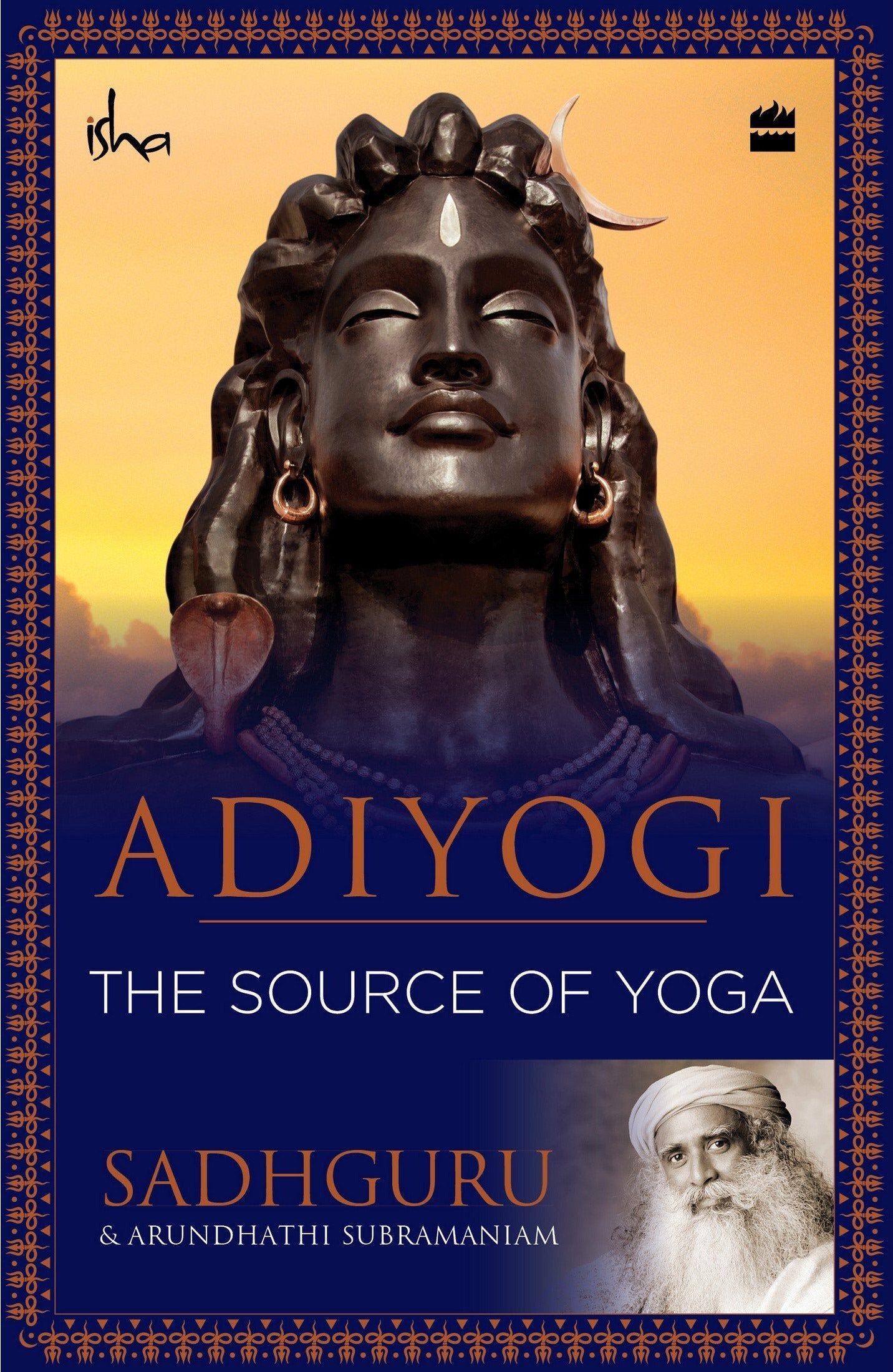
HARPERCOLLINS Adiyogi: The Source of Yoga – Sadhguru Spiritual Wisdom, Yoga Philosophy & Inner TransformationExplore the origins of yoga and the science of inner transformation with Adiyogi: The Source of Yoga by Sadhguru. In this illuminating work, Sadhguru presents the story and symbolism of Adiyogi — the first yogi, who laid the foundations of yogic science thousands of years ago. Blending ancient wisdom with modern clarity, the book explains how yoga is not merely physical exercise but a profound technology for inner balance, awareness, and spiritual evolution. Through engaging storytelling, philosophical insight, and practical reflection, readers are introduced to the deeper dimensions of yoga — including mind, body, energy, and consciousness. Accessible to beginners and experienced practitioners alike, this book serves as both inspiration and guide for anyone seeking inner wellbeing and clarity. Why Readers Love This Book: Explores the true origins and philosophy of yoga Written in an accessible, engaging style Bridges ancient yogic wisdom with modern life Encourages personal growth and self-awareness Ideal for spiritual seekers and yoga enthusiasts A thoughtful introduction to yogic science, Adiyogi: The Source of Yoga invites readers to experience yoga as a path toward inner transformation.4,99 £*Shipping: 1,99 £Secure redirect to the provider
-
Multisell Products Hub Saint Benedict Bracelet Spiritual Protection Stainless Steel Faith Amulet Jewelry goldCarry a symbol of strength, faith, and protection wherever you go. This Saint Benedict bracelet is more than jewelry it is a daily reminder of spiritual grounding and inner peace. Designed for those who value faithdriven accessories, this spiritual...34,97 $*Shipping: 0,00 $Secure redirect to the provider
-
Inspired Deals Natural Amethyst Bracelet Crystal Healing Stretch Purple Gemstone Bracelet For Meditation And Mindfulness Natural Amethyst Bracelet Crystal Healing Stretch Purple Gemstone Bracelet For Meditation And MindfulnessExperience a sense of calm while adding timeless beauty to your everyday style with this Amethyst Bracelet. Designed for anyone who values meaningful jewelry, this elegant stretch bracelet features genuine purple gemstone beads that pair...32,97 $*Shipping: 0,00 $Secure redirect to the provider
-
What is grammatically correct: Cogito ergo sum or Ego cogito ergo sum?
The grammatically correct phrase is "Cogito ergo sum." This is the original Latin phrase coined by philosopher René Descartes, which translates to "I think, therefore I am." The phrase emphasizes the primacy of thought and self-awareness in establishing one's existence. **
-
What was Nietzsche's objection to Cogito ergo sum?
Nietzsche's objection to Cogito ergo sum, or "I think, therefore I am," stems from his belief that the self is not a fixed entity but rather a fluid and ever-changing construct. He argued that the idea of a stable and unified self, as implied by Descartes' statement, is an illusion. Nietzsche believed that the self is a product of various conflicting forces and influences, and that there is no essential core or unchanging identity to be found within it. Therefore, he rejected the notion that one's existence can be proven simply through the act of thinking. **
-
Do you find the Cogito ergo sum convincing?
As an AI language model, I don't have personal beliefs or experiences, but I can provide information. The phrase "Cogito ergo sum" (I think, therefore I am) is a fundamental concept in the philosophy of René Descartes. It suggests that the act of thinking proves one's existence. Some find this argument convincing because it provides a starting point for knowledge and certainty. Others may find it unconvincing because it relies on the assumption that thinking is the only way to prove existence, and it doesn't account for non-thinking beings. Ultimately, the persuasiveness of the Cogito ergo sum depends on one's philosophical perspective. **
-
Does anyone have a good term paper topic on the Cogito argument?
One potential term paper topic on the Cogito argument could be an analysis of its implications for the nature of self and consciousness. You could explore how Descartes' assertion "I think, therefore I am" shapes our understanding of the self and its relationship to thought. Another interesting angle could be to examine criticisms of the Cogito argument and evaluate whether it truly provides a solid foundation for knowledge. Additionally, you could investigate how the Cogito argument has influenced modern philosophy and its relevance in contemporary discussions on the mind-body problem. **
Similar search terms for Cogito
-
Yellow Kite 10% Happier 10th Anniversary Book by Dan Harris – True Story of Mindfulness, Stress Relief & Self-Help TransformationAfter having a nationally televised panic attack on Good Morning America, Dan Harris knew he had to make some changes. A lifelong nonbeliever, he found himself on a bizarre adventure involving a disgraced pastor, a mysterious self-help guru, and a gaggle of brain scientists. Eventually, Harris realized that the source of his problems was the very thing he always thought was his greatest asset: the incessant, insatiable voice in his head. We all have an inner narrator. It's what has us losing our temper unnecessarily, checking our email compulsively, eating when we're not hungry, and fixating on the past and the future at the expense of the present. Most of us assume we're stuck with this voice - that there's nothing we can do to rein it in - but Harris stumbled upon an effective way to do just that. 10% Happier is now considered a classic text on the power of meditation, an introduction to the practice that can convert even the most hardened sceptic. With over a million copies sold, 10% Happier is the go-to guide, and with meditation now a widely accepted and encouraged practice, Dan Harris is a pivotal and approachable figure in the field who has built a thriving platform based on the ideas he first presented in this book. In this 10th Anniversary Edition, Harris offers a new preface reflecting on how much has changed - for him and for the public perceptions of meditation, plus a revised and expanded appendix, filled with guided meditations and practical advice for people looking to boot up a habit.9,99 £*Shipping: 2,99 £Secure redirect to the provider
-
The Cart Load Necklace Chakra Natural Gemstone Crystal Stones Healing, Tree Of Life Pendant Spiritual Jewelry Gift Necklace Chakra Natural Gemstone Crystal Stones Healing, Tree Of Life Pendant Spiritual Jewelry GiftDiscover meaningful beauty and spiritual balance with this Tree of Life Pendant Necklace, thoughtfully designed to inspire harmony, inner peace, and positive energy. Featuring Necklace 7 Chakra Natural Gemstone Crystal Stones Healing, this piece...26,97 $*Shipping: 0,00 $Secure redirect to the provider
-
On Spot Shop 10CM Natural Clear Crystal Merkaba Pendulum, Healing Energy Stones For Jewelry, Decoration, Spiritual Balance 10CM Natural Clear Crystal Merkaba Pendulum, Healing Energy Stones For Jewelry, Decoration, Spiritual BalanceElevate Your Energy with a Natural Crystal Merkaba PendulumThis stunning 10CM Natural Clear Crystal Merkaba Pendulum is crafted from premium fluorite quartz crystal stones, radiating beauty and powerful healing energy. Whether used for spiritual...174,97 $*Shipping: 0,00 $Secure redirect to the provider
-
KitchenCuration Healing Quartz Crystal Water Bottle For Wellness & Energy Balance FluoriteRefresh your daily routine with a beautifully designed crystal water bottle that combines mindful living with elegant style. Crafted for wellness enthusiasts, yoga lovers, and anyone seeking a calming hydration experience, this bottle features a...49,97 $*Shipping: 0,00 $Secure redirect to the provider
-
What is the difference between Cogito ergo sum and Dubito ergo sum?
The phrase "Cogito ergo sum" is a Latin phrase meaning "I think, therefore I am," which was famously coined by philosopher René Descartes. This phrase represents Descartes' assertion that the act of thinking proves one's existence. On the other hand, "Dubito ergo sum" is a Latin phrase meaning "I doubt, therefore I am." This phrase is a play on Descartes' original statement, and it emphasizes the role of doubt in the process of self-awareness and existence. While "Cogito ergo sum" focuses on the act of thinking, "Dubito ergo sum" emphasizes the act of doubting as a means of affirming one's existence. **
-
Does anyone have a good term paper topic for the Cogito argument?
One potential term paper topic for the Cogito argument could be an analysis of the implications of Descartes' famous statement "I think, therefore I am" on the nature of self and consciousness. This could involve exploring the relationship between thinking and existence, as well as the implications for the mind-body problem and the nature of reality. Another potential topic could be a critical evaluation of the Cogito argument in the context of contemporary philosophy, considering objections and alternative perspectives on the nature of self-awareness and existence. Finally, a term paper could explore the historical and cultural significance of the Cogito argument, examining its impact on the development of modern philosophy and its influence on broader intellectual and cultural movements. **
-
Is spiritual enlightenment a psychosis?
No, spiritual enlightenment is not a psychosis. Psychosis is a mental health condition characterized by a disconnection from reality, while spiritual enlightenment is a state of deep understanding and awareness of one's true nature and the nature of existence. While both may involve altered perceptions and experiences, spiritual enlightenment is typically seen as a positive and transformative experience, while psychosis is considered a mental health disorder that requires treatment. It's important to differentiate between the two and seek professional help if experiencing symptoms of psychosis. **
-
How can one achieve spiritual enlightenment?
One can achieve spiritual enlightenment through practices such as meditation, mindfulness, and self-reflection. Engaging in activities that promote self-awareness and inner peace, such as yoga or spending time in nature, can also help in achieving spiritual enlightenment. Additionally, seeking guidance from spiritual teachers or mentors, and studying spiritual texts and teachings can provide valuable insights and support in the journey towards enlightenment. Ultimately, achieving spiritual enlightenment is a personal and individual process that requires dedication, openness, and a willingness to explore one's inner world. **
* All prices are inclusive of VAT and, if applicable, plus shipping costs. The offer information is based on the details provided by the respective shop and is updated through automated processes. Real-time updates do not occur, so deviations can occur in individual cases. ** Note: Parts of this content were created by AI.